
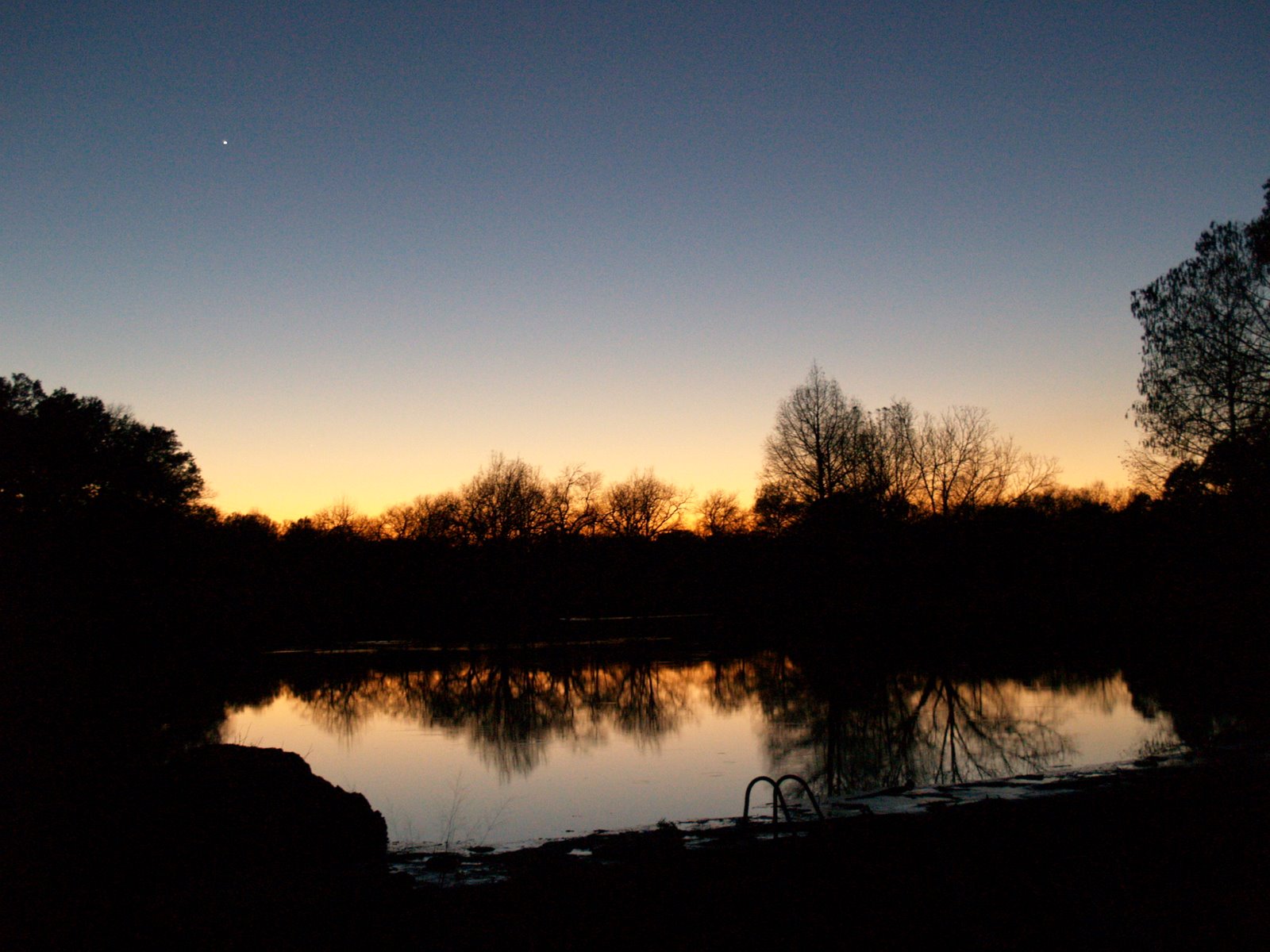
Featured photo: Blanco State Park, Blanco, TX — via Wikimedia Commons, licensed CC BY 2.0.
Short answer: in Blanco, you are buying water and access before you are buying a house. In town, that means knowing what the city system is built on. Out on the land, it means the well, the groundwater district rules, the low-water crossings, and the Blanco River itself. Get those right and the house is the easy part. Get them wrong and the view will not save the deal.
I am Russell Martinez, a REALTOR with Res & Ranch. My working area is about a 90-mile ring around Wimberley, and Blanco is part of my backyard. Our mailing headquarters is in Kendalia, just across the county line in Kendall County. These are field notes, not a market report. I am not going to invent a median sold price or a days-on-market average for this page. If you want a number, we pull comps on a specific property.
Search live listings → See current MLS homes, acreage, and ranch listings across the Hill Country on our live IDX search.
What Blanco actually is
Blanco is a small ranch-and-farm trade town on U.S. 281, about twelve miles south of Johnson City, according to the Handbook of Texas. It was the Blanco County seat until 1890, when Johnson City won the election and the records moved north. The old courthouse on the square now serves as a visitor center. The Handbook puts Blanco’s 2020 population at 1,682.
That small number is the point. Blanco is not a suburb. People come for the square, the river, the state park, and room to breathe, and they stay because it still feels like a working Hill Country town. Texas Parks and Wildlife describes Blanco State Park as hugging about a mile of the spring-fed Blanco River, roughly an hour from Austin and San Antonio. That hour is the trade. You are close enough to drive in. You are far enough that most of your errands happen in town or on the highway.
In town: know your water story
Inside city limits, you are on the City of Blanco water system. The City’s August 2024 Water Conservation and Drought Contingency Plan says the system serves about 1,118 connections. Raw water comes from two places: an adjudicated right on the Blanco River for 600 acre-feet a year, and a contracted 600 acre-feet a year from Texas Water, treated from Canyon Lake supply. The City runs its own 1.0 mgd treatment plant on the Blanco River, plus a 0.5 mgd treatment and delivery contract with Texas Water.
Why does a buyer care? Because “city water” in a small Hill Country town is not an abstraction. It is a river right, a pipeline, and a drought plan. Read the plan. Ask what stage the city is in. Ask about the lot’s meter and the sewer connection. Those are normal questions here, not paranoid ones.
Out of town: acreage and ranch land
Most of what people mean when they say “Blanco” is outside city limits. Rolling pasture, cedar and oak, creek bottoms, and caliche roads. This is where the real decisions live.
**The well.** Blanco County groundwater is regulated by the Blanco-Pedernales Groundwater Conservation District. The District says a well that cannot produce more than 25,000 gallons per day (17.36 gallons per minute) is exempt from an operating permit, but it may still be subject to other District rules. New wells have spacing rules: 50 feet from property lines and septic tanks, 100 feet from septic disposal fields and existing wells. A pump rated above 17.36 gpm makes it a non-exempt well that needs an operating permit.
**The pond.** This one surprises people. Per the District, an exempt well can feed a pond or tank only for domestic or livestock use, and only up to about 50,000 gallons of groundwater in storage. Anything above that has to come from rain or runoff. If the listing photo shows a big stock tank and the seller says “the well keeps it full,” ask more questions.
**Ag valuation.** If the land carries an agricultural or wildlife valuation, ask whether it survives your intended use. The Texas Comptroller says a change to a non-agricultural use triggers a rollback tax for the previous three years, the difference between what was paid on ag value and what would have been owed at market value. Know that number before you plan to stop running cattle or start building.
**Access and fences.** Who maintains the road? Is there a recorded easement? Where are the low-water crossings, and what happens when they run? Fencing condition matters to anyone who plans to run livestock. Read Buying Acreage in the Texas Hill Country before you fall for a drone shot.
Respect the Blanco River
The Blanco is a beautiful river. It is also the river that flooded Wimberley on Memorial Day weekend 2015. The National Weather Service Austin/San Antonio office says widespread 6 to 8 inches fell across Bandera, Kerr, Kendall, Blanco, and far west Comal and Hays counties, with a maximum of 10 to 13 inches across southern Blanco and extreme northeast Kendall counties. That is the headwaters country around Blanco and Kendalia. The water came off this land first.
I bring that up because a river lot photo is not a floodplain map. On anything near the Blanco or a creek, ask where the floodplain actually sits, what flood insurance costs for that address, and how you get out when the crossing is under water.
Sellers: questions to ask before you list
- Are my comps honest: in town vs out, river vs no river, lot vs acreage, recent?
- Do I have well records, production, septic paperwork, and a survey a buyer will ask for?
- Do I know my ag or wildlife valuation status, and can I explain it to a buyer?
- If I am near water, do I have floodplain and insurance information ready?
Get it right in week one. A Blanco tract that tests a dream number for a month becomes the high comp nobody pays.
Buyers: questions to ask before you write
- In city limits or out? What does the water and wastewater actually look like?
- What does the well produce, when was it drilled, and does it meet District rules for what I plan to do?
- Is there an ag or wildlife valuation, and what would a rollback cost if I change the use?
- Where is the floodplain, and what are the low-water crossings between me and the highway?
- What are the deed restrictions and easements?
What this page will not do
It will not quote a fake average price for Blanco. It will not tell you a well will keep a pond full. It will not treat a river photo as a flood report.
Sources
- Handbook of Texas Online, “Blanco, TX”: U.S. 281, twelve miles south of Johnson City; county seat until 1890; ranch and farm trade center; 2020 population 1,682; courthouse serves as visitor center.
- Texas Parks and Wildlife, Blanco State Park: about a one-mile stretch of the spring-fed Blanco River; about an hour from Austin and San Antonio.
- City of Blanco, Water Conservation and Drought Contingency Plan, August 2024: about 1,118 connections; 600 acre-feet/year Blanco River right; 600 acre-feet/year contracted from Texas Water; 1.0 mgd city plant and 0.5 mgd Texas Water contract for Canyon Lake supply.
- Blanco-Pedernales Groundwater Conservation District, Exempt and Non-Exempt Wells: 25,000 gallons/day (17.36 gpm) exemption threshold; spacing rules; 50,000-gallon groundwater pond storage limit for exempt wells.
- Texas Comptroller, Agricultural, Timberland and Wildlife Management Use Special Appraisal: rollback tax for the previous three years on change to non-agricultural use.
- NWS Austin/San Antonio, 2015 Memorial Day Weekend Flooding: 6 to 8 inches widespread; maximum 10 to 13 inches across southern Blanco and extreme northeast Kendall counties.
Related
- Acreage
- Communities
- Wimberley vs New Braunfels vs Canyon Lake
- Waterfront
- Buy
- Sell
- Contact Russell Martinez
Russell Martinez, REALTOR, Res & Ranch. TREC 470737. Central Texas, about a 90-mile ring around Wimberley, including Blanco, Kendalia, Fischer, Wimberley, and Canyon Lake. Office (512) 829-3580. Direct (512) 580-8881.